Uptown Chicago Condo Living: Pros, Cons, and What Buyers Should Know
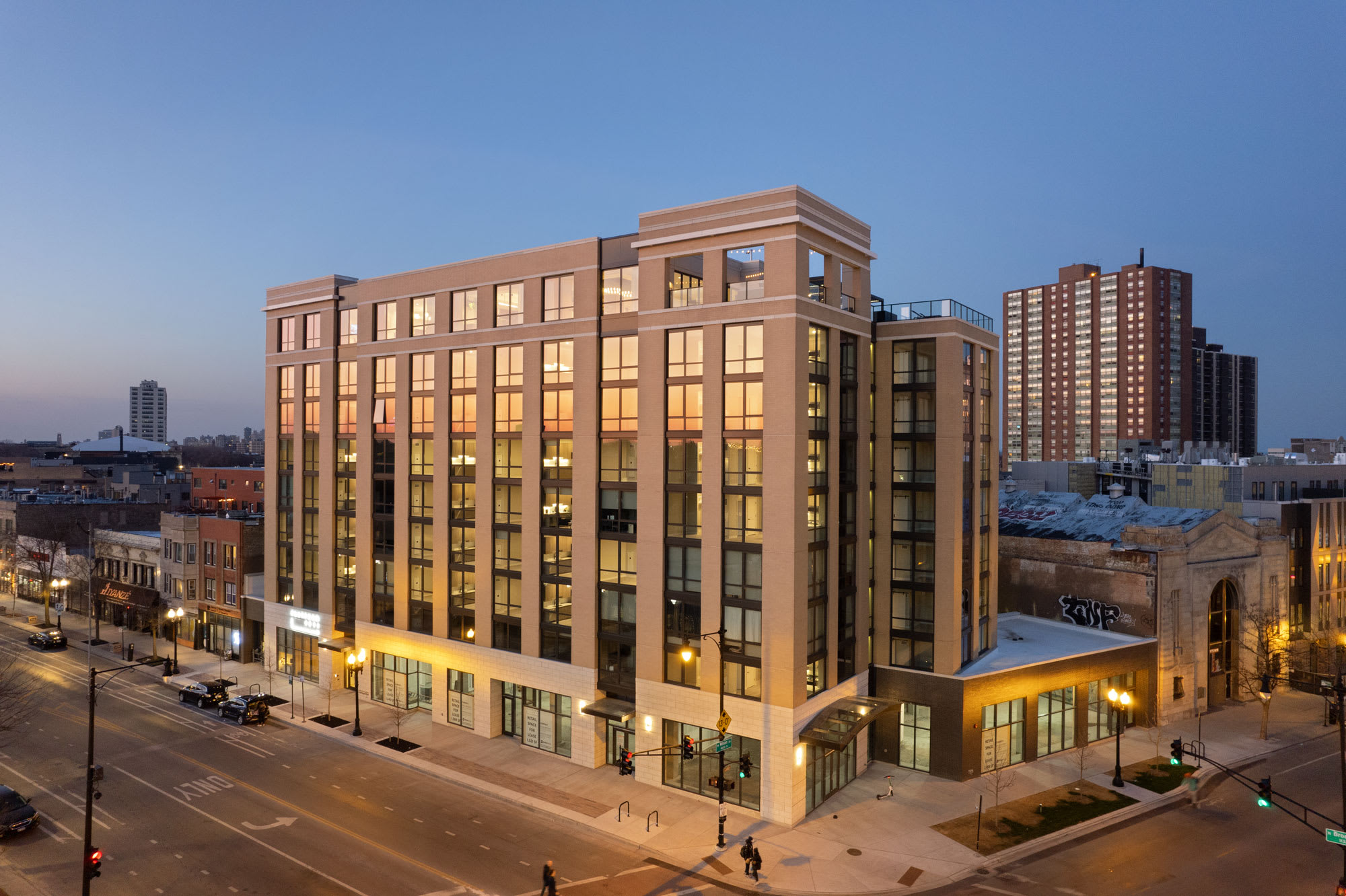


Buying a condo in Uptown Chicago can be a smart move in 2026—but only if you understand the trade-offs. Uptown offers value, transit access, and lakefront proximity that few Chicago neighborhoods can match. At the same time, condo ownership comes with very real considerations that buyers need to underwrite upfront.
Here’s the straight talk on Uptown Chicago condo living—the upside, the downside, and what savvy buyers should evaluate before making an offer.
The Pros of Condo Living in Uptown Chicago
1. Strong Value Relative to Location
Uptown remains one of the best value lakefront-adjacent neighborhoods in Chicago. Compared to Lakeview or Lincoln Park, buyers often get:
-
Larger floor plans
-
Lower purchase prices
-
More architectural character
This is especially attractive for first-time buyers and move-up condo purchasers who want space without crossing six figures more in price.
2. Lakefront Access Without Luxury Pricing
Condo living in Uptown often means walking distance to Montrose Beach, the Lakefront Trail, and green space—amenities that typically command a premium elsewhere. For lifestyle-driven buyers, this is a major differentiator.



3. Transit-Friendly, Car-Optional Living
Uptown is one of Chicago’s most transit-connected neighborhoods:
-
Multiple Red Line stops
-
Strong bus coverage
-
Easy access to Lake Shore Drive
For professionals and downsizers prioritizing convenience, condos near transit corridors are especially appealing.
4. Lower Maintenance, Predictable Costs
Condo living eliminates many of the unexpected expenses tied to single-family homes. Exterior maintenance, common systems, and shared amenities are handled through the HOA—making budgeting more predictable for many buyers.
The Cons of Condo Living in Uptown Chicago
1. HOA Dues Can Be High
This is the most common buyer concern—and a valid one. Many Uptown buildings are older and include:
-
Elevators
-
Door staff
-
On-site maintenance
These amenities drive HOA costs. Buyers must evaluate what the dues include and whether they align with their lifestyle and budget.
2. Building Health Matters More Than the Unit
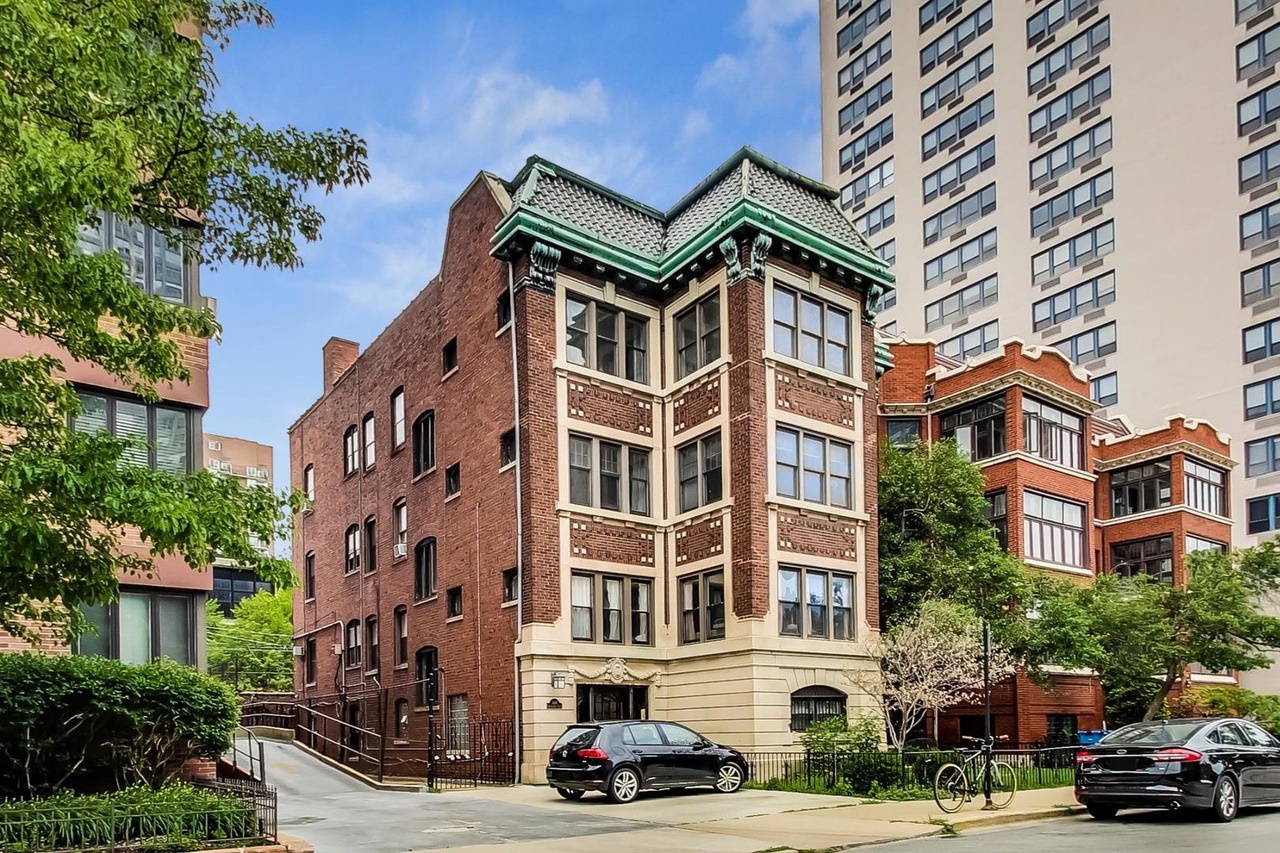
In Uptown, the building itself is often more important than the finishes inside the unit. Deferred maintenance, underfunded reserves, or upcoming special assessments can materially change the economics of a purchase.
Translation: You’re buying into a corporation, not just a condo.
3. Rental Restrictions Vary Widely
Some buildings are investor-friendly. Others have strict rental caps or waiting lists. If flexibility or future rental income matters to you, this needs to be vetted before you fall in love with a unit.
4. Appreciation Can Be Uneven
While Uptown has strong long-term fundamentals, condo appreciation depends heavily on:
-
Building quality
-
Management
-
Unit layout and exposure
Not all condos perform equally—even within the same neighborhood.


What Buyers Should Know Before Purchasing
Review These Items Carefully:
-
HOA financials and reserves
-
Recent or upcoming special assessments
-
Owner-occupancy vs rental ratios
-
Building insurance coverage
-
Rules on rentals, pets, and renovations
This is where having a local, condo-savvy agent matters. The details make or break the deal.
Who Uptown Condo Living Is Best For
Uptown condos are particularly well-suited for:
-
First-time buyers seeking value
-
Buyers who want lakefront access without lakefront pricing
-
Professionals prioritizing transit and walkability
-
Buyers planning to hold long-term
Final Takeaway
Uptown Chicago condo living can be an excellent opportunity in 2026—but it rewards informed buyers. The upside is real, and so are the risks. The key is understanding the building, not just the unit.
If you approach it strategically, Uptown condos offer a compelling mix of affordability, lifestyle, and long-term potential.
Thinking about buying a condo in Uptown Chicago?
Let’s review buildings, HOA health, and current opportunities so you can buy with confidence—not surprises.
Recent Posts